Born by science. Delivered by business

Turning carbon emissions into graphite revenue

Point-source capture at power plants and industrial process streams — converting CO2 into high-purity graphite at the source, using a low-temperature, solid-state, adsorption-driven process.
Talk to us How it works

Solutions

We turn CO₂ into a product. Power plants and graphite partners share the upside.

For power plants

Turn emissions into revenue

Install our Carbon Affinity Reactor onsite. CO₂ is captured and converted into solid graphite — no underground storage, no transport. You reduce carbon compliance costs and share in the graphite revenue.

  • CO₂ captured at the point of emission
  • Carbon compliance exposure reduced (EU ETS, US programs, others)
  • Share of graphite revenue
For graphite buyers

Secure local green graphite

Premium-quality graphite produced at the point of emission — in Europe, North America, or wherever you operate. Short supply chain, transparent origin, and a Scope 3 footprint that compounds your decarbonisation targets.

  • Locally produced, traceable supply
  • Premium quality at competitive cost
  • Significantly improved Scope 3
4t CO₂

captured per tonne of graphite produced

≤700°C

operating temperature vs 3000 °C conventional

15–99% CO₂

addressable concentrations — from flue gas to process streams

A lighter path to carbon-to-product

Energy intensity per tonne of CO₂ processed, across CO₂-handling technologies

METHOD ENERGY INTENSITY OUTPUT Synthetic graphite (Acheson process) very high Graphite Molten salt electrolysis (CO₂ to carbon materilas) high Carbon materials DAC (Direct Air Capture) moderate-high Stored CO₂ only CCS (Carbon Capture & Storage) moderate Stored CO₂ only GRAPHITERRA (High-quality graphite, ≤700°C) lowest Graphite + O₂ LOWER ENERGY HIGHER ENERGY

Indicative ranges. Graphiterra's solid-state, low-temperature process avoids stripper, compression, transport and high-temperature reduction stages.

Technology

Splitting CO2 into carbon and oxygen in a closed loop

Capture

1. Capture CO2

Validated proprietary process that separates CO2 into oxygen (O2) and elemental carbon at the point of emission.
Membrane

2. Proprietary Membrane

An advanced metal-structured, 100% recyclable membrane operating efficiently at low to moderate temperatures.
Integration

3. Onsite Integration

Modular retrofit at existing power plants. No solvents, no compression, no CO2 storage required.
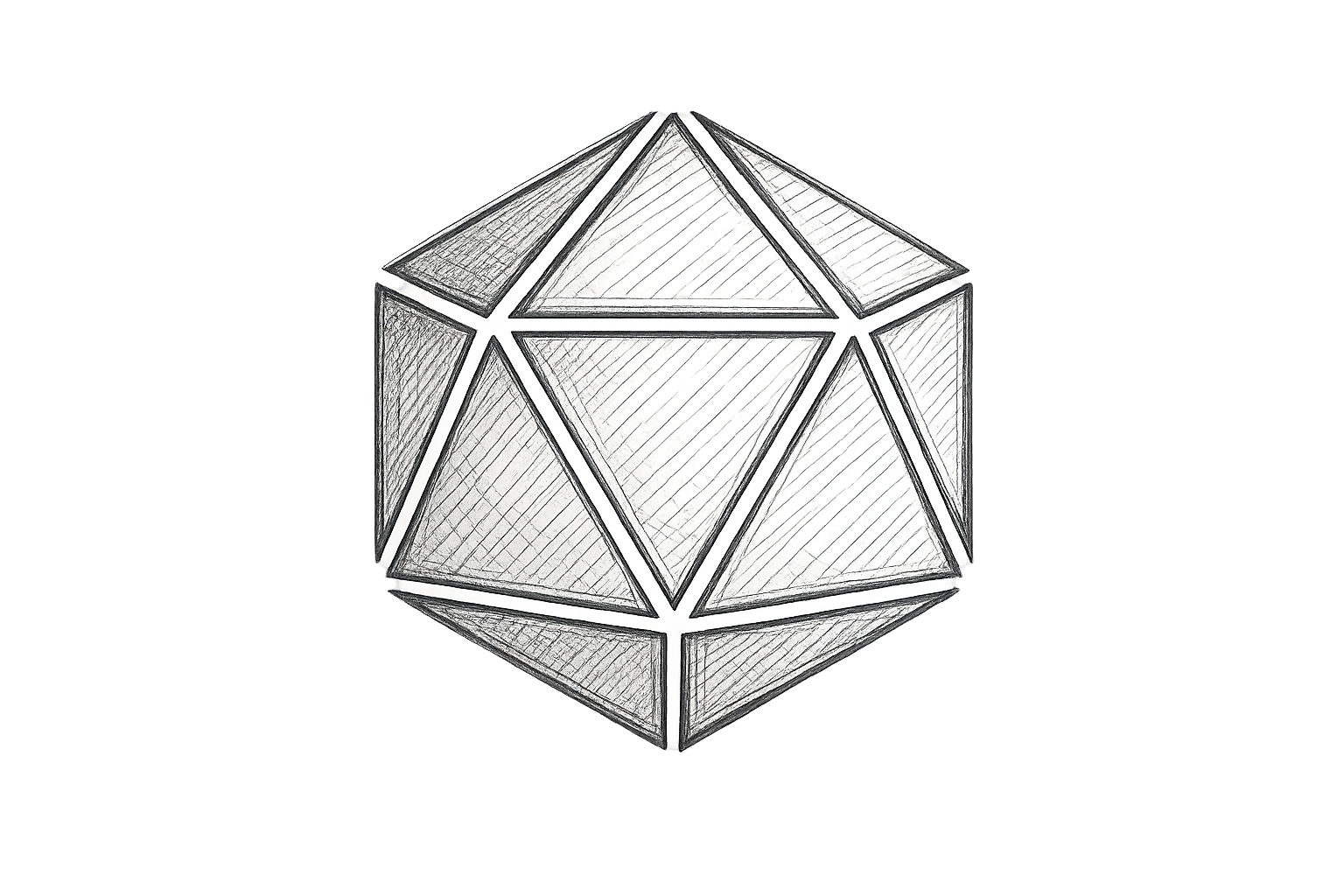
Graphite

4. Produce Graphite

Conversion of carbon into high-purity graphite for battery anodes and high-demand industrial applications.

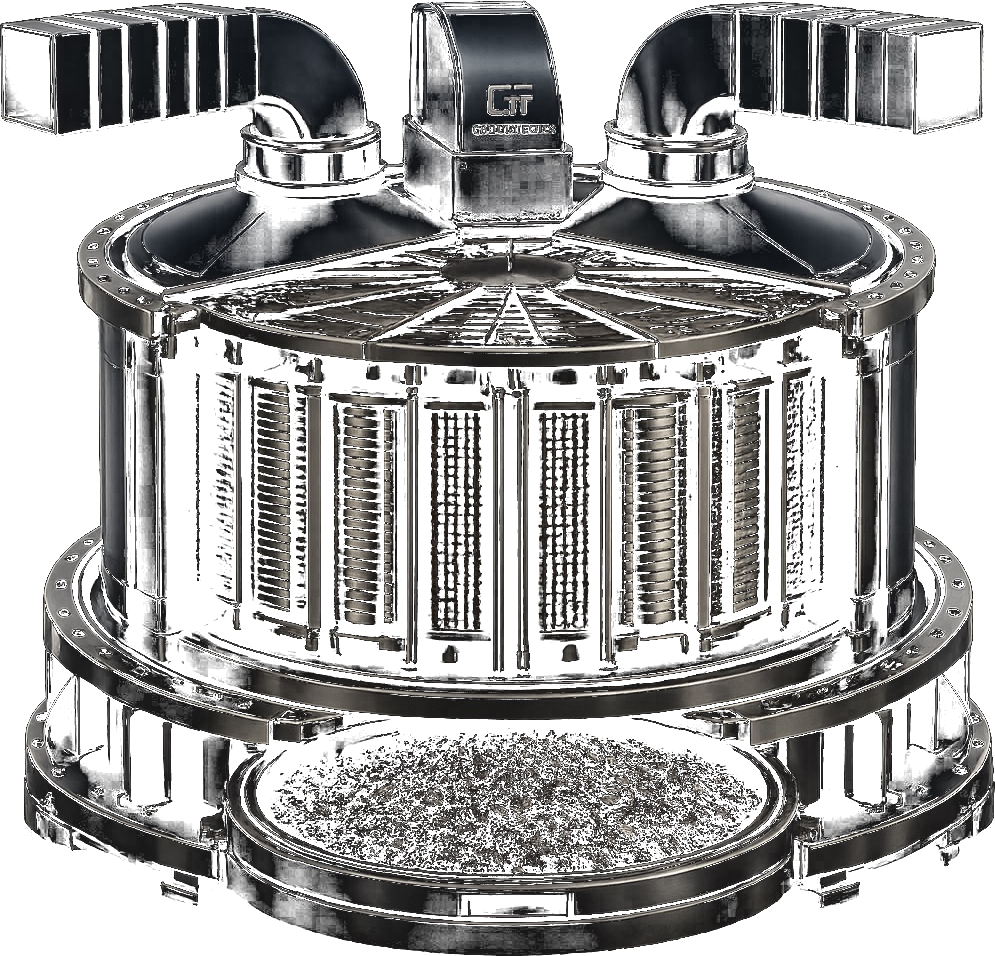
The Carbon Affinity Reactor

A modular reactor that converts CO2 into solid graphite — installed onsite at the point of emission, with no underground storage required.

Input

Concentrated CO2

  • Flue gas (~15%)
  • Process streams (up to 99%)
Carbon Affinity Reactor
Output

Solid graphite

+ other monetisable byproducts

About

Graphiterra is a deep-tech company turning industrial CO₂ emissions into solid graphite. Born from carbon and materials science, we are building the first reactors that capture carbon where it is emitted — anywhere in the world — and create value where it is captured.

The team

Complementary minds. Shared vision

Dr. Nadia Paneva

Dr. Nadia Paneva

Co-founder & CEO

Bridges geochemistry, materials and business strategy. Builds scalable CO2-to-graphite systems.

Dr. Dean Khan

Dr. Dean Khan

Co-founder & CTO

Computational modelling and thermodynamics. Optimises complex systems for scale.

Dr. Scott Reeve

Dr. Scott Reeve

Industrial systems engineer

Prototype design and system integration. Builds industrial gas-mixing reactors.

Prof. Max Schmidt

Prof. Max Schmidt

Scientific Advisor

Experimental geochemistry and carbon systems. Dana Medal awarded scientific authority.

Annabelle Klever

Annabelle Klever

Junior intern

News

2023 — industry signals

Global press: the world urgently needs a non-China graphite path

Three major outlets in 2023 spelled out what Graphiterra was built for. Bloomberg called America's EV ambition impossible without domestic graphite, noting China's grip on both the mining and the carbon-intensive processing stages. The Economist reported on a global search for greener graphite supplies to break that dominance. Forbes covered the rise of alternative routes — biographite and other non-mined approaches — aimed at localising production in Europe and North America.

The signal is consistent across industries and continents: battery makers, automakers and policy-makers want graphite that is local, low-carbon, and traceable. The market is open for new producers that can deliver all three.

Bloomberg, Feb 2023 →    The Economist, Mar 2023 →    Forbes Australia →

October 2024

EU formalises CO₂ exemption for permanently bound carbon products

In Commission Delegated Regulation (EU) 2024/2620, the European Commission set out the criteria for CO2 to be considered "permanently chemically bound in a product" — and therefore exempt from the obligation to surrender EU ETS allowances.

The regulation supplements Article 12(3b) of the EU ETS Directive and establishes the legal foundation for monetising onsite CO2 utilisation. As the list of recognised products expands beyond construction materials, solid graphite — Graphiterra's output — is positioned to meet the same permanence standard.

Source: EUR-Lex, Regulation (EU) 2024/2620 →

June 2026

Graphiterra invests in the next generation of Earth scientists

At Graphiterra, innovation is not only about transforming carbon — it is about empowering people. This summer, we are proud to welcome 16-year-old Annabelle Klever for a three-week internship, supporting her early ambition to pursue a career in geology and Earth sciences.

Encouraging young talents to explore scientific research and sustainable technologies is a core value of our company. The transition toward a circular carbon economy requires not only breakthrough processes but also the next generation of thinkers, engineers, and researchers.

By offering hands-on insight into climate-positive material innovation and CO2-to-graphite technologies, Graphiterra actively invests in youth development and long-term scientific leadership.

February 2027 — applies

EU Battery Passport requires verified, low-carbon graphite

Under the EU Battery Regulation (Regulation 2023/1542), every EV battery, industrial battery above 2 kWh, and light-transport battery placed on the EU market from 18 February 2027 must carry a Digital Battery Passport — accessible via QR code, with verified data on carbon footprint per kWh and traceable provenance of natural graphite, alongside cobalt, lithium, and nickel.

Battery manufacturers worldwide now need graphite that is locally produced, low-carbon, and fully traceable from source to cell — whether plants are in Europe, North America, or Asia. Graphiterra's CO2-derived graphite is built to satisfy all three criteria by default.

Source: EUR-Lex, Regulation 2023/1542 summary →

Ready to transform emissions?

Get in touch to discuss onsite integration or graphite supply.

Contact Us